
Ingeteam Initiates Drone Program for Solar PV Inspections
Inspecting a photovoltaic plant from the air works because a failing cell gets hot. A thermal camera flown over a row of modules turns an electrical fault into a picture: a single bright cell means a crack or a bad solder joint, a bright stripe means a shaded or failing substring, and a whole bright panel usually means one that has been disconnected. The same check on foot means carrying a meter to every module.
The hard part was never the flying. It is turning a mass of thermal frames into a list of modules to replace, which is why research in this field concentrates on classification rather than on aircraft: images have to be matched to positions in the plant, sorted by fault type, and ranked by how much energy each fault is costing. A plant owner does not need pictures; the owner needs a work order. This page keeps the report as it was published on this domain.
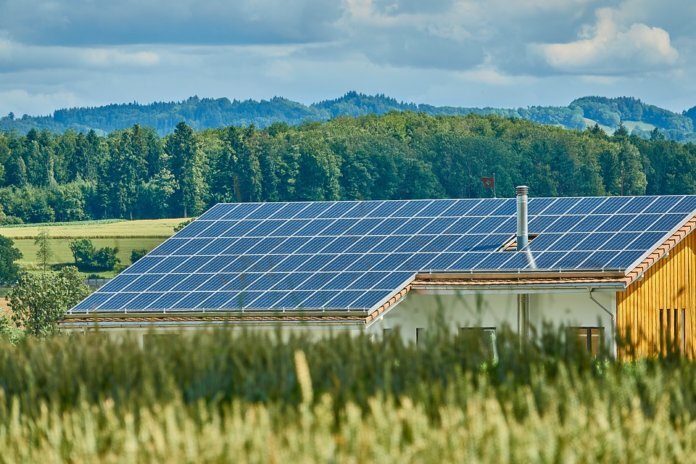
Spain-based Ingeteam Power Technology SA is leading a research project involving the use of drones to optimize solar photovoltaic (PV) plant performance.
The project will focus on two areas: first, the monitoring and processing of signals for the inspection and automatic fault detection in PV panels through the use of more efficient sensors, and second, the use of information technologies to develop advanced fault classification algorithms, estimate PV plant status and optimize maintenance strategies.
Ingeteam expects the project to lead to improved panel inspections, shorter measurement-taking and post-processing times, minimized operations and maintenance costs, and increased service life of a solar plant.
The project includes participation from the University of Castilla La Mancha in Spain. With a budget of EUR 648,510, the initiative is expected to be completed by the end of 2019. It is being co-financed by the Ministry of Economy and Competitiveness and the European Regional Development Fund.