A Campus Drone Fleet That Teaches Students and Inspects the Buildings
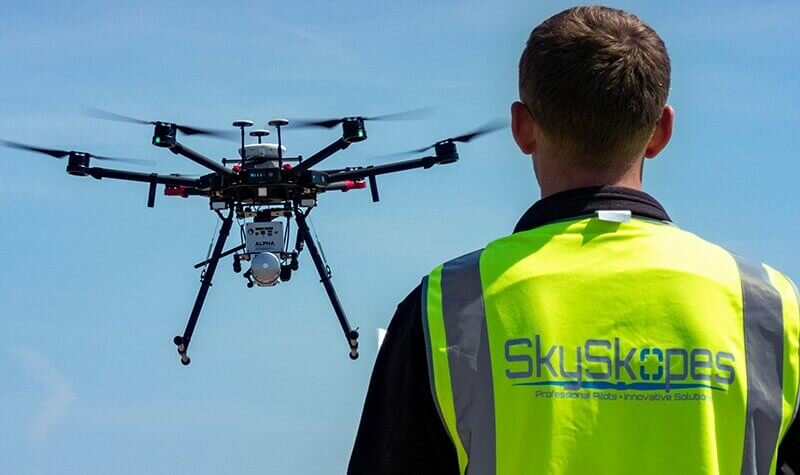
A university that buys drones for a degree programme quickly notices that the same aircraft could be looking at its own roofs. Universities such as Shepherd have built fleets that do both, and the dual purpose is what makes the economics work: the teaching mission justifies the aircraft, and the facilities mission justifies keeping them flying between semesters.
Two missions, one fleet
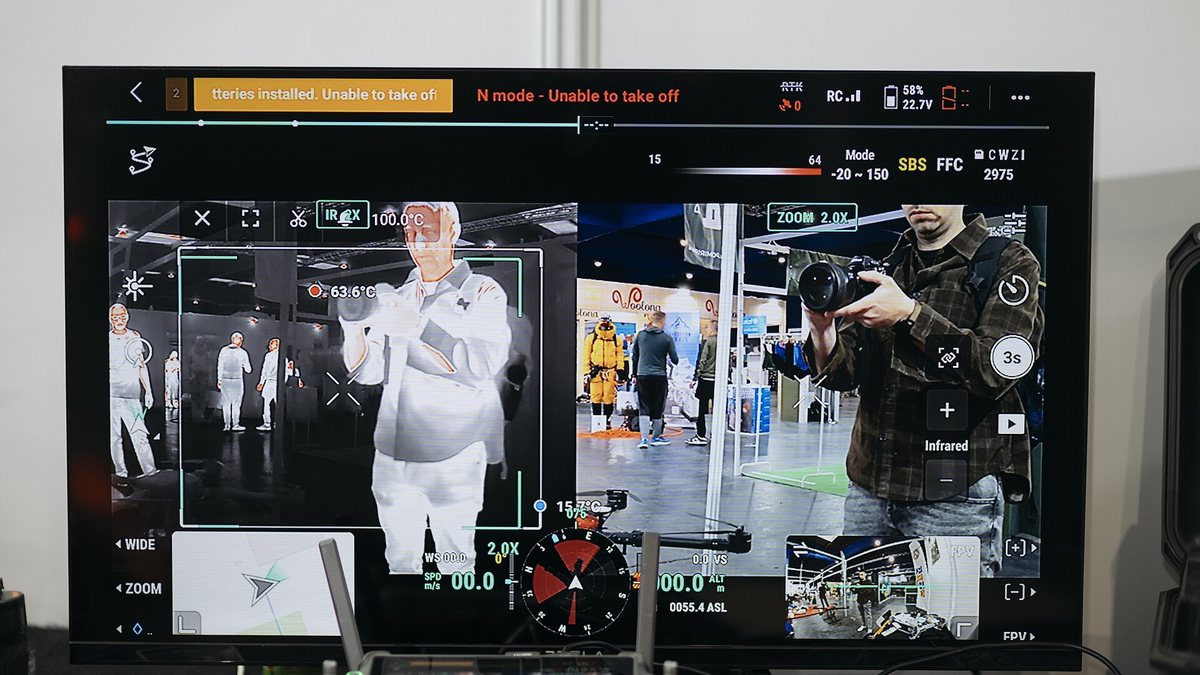
The teaching mission wants aircraft that students can fly, break and fix, with flight logs that can be marked and enough variety that a course can cover mapping, thermal work and inspection. The facilities mission wants repeatable flights over the same buildings, consistent camera settings and a data product the maintenance office can compare year on year. The overlap is large but not total, which is why these fleets tend to settle on a small number of standard airframes plus one better camera that only trained operators touch.
Who is responsible for the flight
This is the question that decides whether a campus programme survives its first incident. Somebody has to hold the operating certificate or authorisation, and that person has to be able to say no. On most campuses that role sits with a faculty member or a facilities manager, with students flying under supervision and with a written scope: which airframes, which areas, which altitudes, what weather, and what happens when a class is over a car park.
Insurance follows responsibility. Institutional cover usually treats an aircraft flown for coursework and an aircraft flown for building inspection as different activities, and the broker will ask which is which. Sorting that out before the first flight is cheaper than sorting it out afterwards.
Scheduling and the campus itself
A campus is a busy environment: events, pedestrians, nearby airfields, helipads at the hospital, research animals, student housing with an expectation of privacy. Practical programmes publish a flight calendar, notify the departments they will fly over, and keep a standing list of no-fly areas that has nothing to do with aviation law and everything to do with living alongside colleagues.
What the data is for
The facilities side pays for itself only if the imagery reaches a decision. A roof flown every spring produces value when the results sit in the same asset record as the repair history, so that a small defect flagged in one flight can be checked in the next. Thermal work on building envelopes is the same: useful as a time series, decorative as a single survey.
For the teaching side, the archive is the curriculum. Students who process the same campus that previous cohorts processed learn what drift, weather and camera choice do to a deliverable, which is a lesson no assignment brief conveys.
Starting small
The programmes that grow start with one airframe, one named responsible pilot, one building and one deliverable somebody in facilities asked for. Fleets assembled before that first useful product exists tend to spend a few seasons in a cupboard, and then become a story about grant money rather than about drones.