A Utility's Drone Playbook for Storm Season: Preparing Before the Wind Arrives
Utilities in hurricane country prepare for storm season the way airlines prepare for winter, and drones have become part of that preparation. A Florida utility readying drone operations ahead of the season is doing something specific: not buying aircraft, but making sure the aircraft, the crews and the approvals it already has will work in the week when everything else does not.
Before the season: the boring half
The pre-season work decides how useful the fleet will be. Approvals come first, because the flights that matter during restoration are the ones normal rules make difficult: beyond visual line of sight along a line, over people in a damaged neighbourhood, at night, near an airport. These are applied for months ahead, not during the event.
Then crews. A utility that needs dozens of simultaneous flights cannot staff them from a central team, so it trains and certifies operators inside the line crews and keeps a roster of who is current. Currency is the part that lapses quietly, which is why the pre-season checklist includes flights, not just certificates.
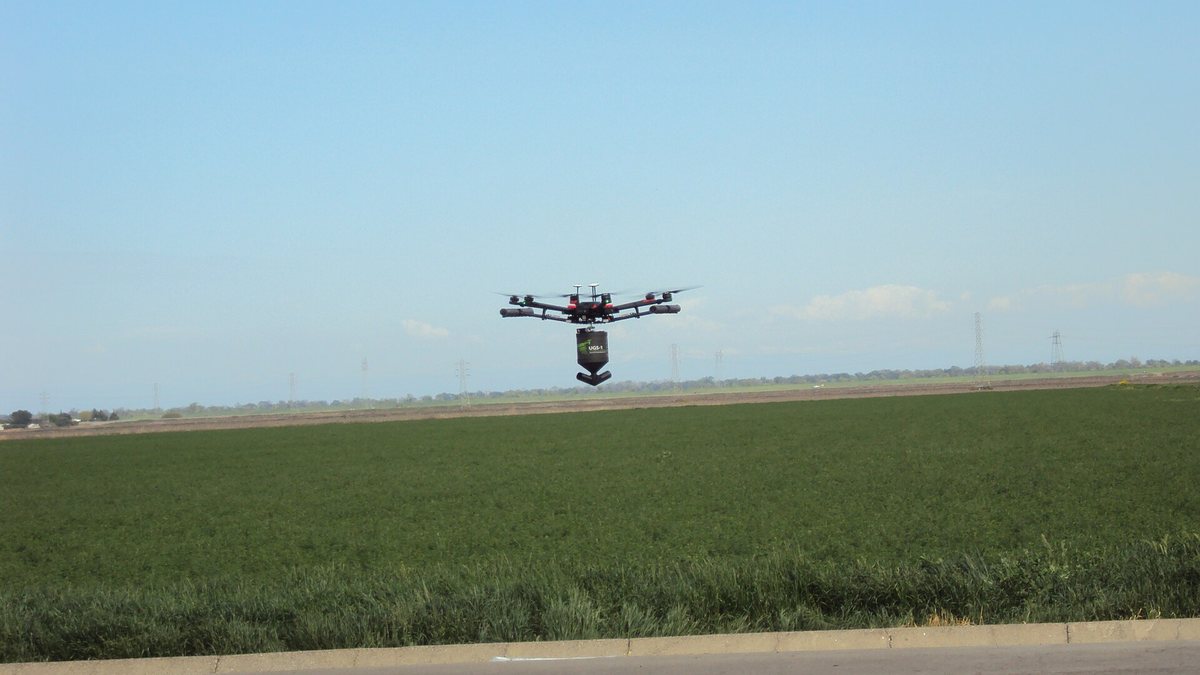
Then equipment, staged where it can be reached: aircraft, spare propellers, charging that runs off a vehicle, tablets with offline maps, and cases that survive a truck bed in the rain. And finally base imagery, flown in calm weather over the assets most likely to be hit, because damage assessment is a comparison and a utility without a before picture is describing rather than measuring.
During restoration
When the wind drops, the first job is triage from the air: which circuits are down, where the structures have failed, which access roads are blocked. Drone crews fly that ahead of the repair crews so that trucks are sent where they can work, which is the largest single saving the aircraft deliver.
Airspace is the constraint. Restoration airspace holds utility helicopters, news aircraft, search and rescue, and temporary restrictions around the response. Utilities that fly successfully in that environment have one person coordinating with the authority and the manned aviation side, and pilots who fly the assigned volume and nothing else.
Communications are the other constraint. Cellular networks fail in the storm they were built to survive, so crews plan to work with what is on the aircraft and the tablet, and to deliver results when they return rather than from the field.
Afterwards: closing the loop
Imagery has to reach the outage management and asset systems, tagged to structures rather than to file names, or the flights produce a photo library and a memory. The utilities that get value from storm flying have a defined path from the aircraft to the work order, and they test it on a small event before a large one.
The after-action review is where the fleet improves: which approvals were missing, which crews were not current, where the base imagery was stale, which deliverable nobody used. That review is the actual preparation for the following season, and the utilities that write it down are the ones whose drone programmes still exist several seasons later.