Why Radio-Frequency Detection Misses Autonomous Drones, and What Airports Layer on Top
What Drone Detection Radar Looks For
According to the FAA's guidelines on drone detection, radar and radio frequency (RF) methods are the most commonly used for locating unmanned aerial systems (UAS). However, these systems alone are not enough to ensure complete detection. Electro-optic (EO) and acoustic sensors are also utilized, but they do not typically serve as primary detection sources.
RF systems work by scanning for frequencies on which drones are known to operate, pinpointing unmanned aircraft based on sensor data. However, this doesn't catch autonomous drones without emitting detectable signals, which can go silent. For more specific identification, detailed signature libraries are required.
Why Airports Lay Radar On Top
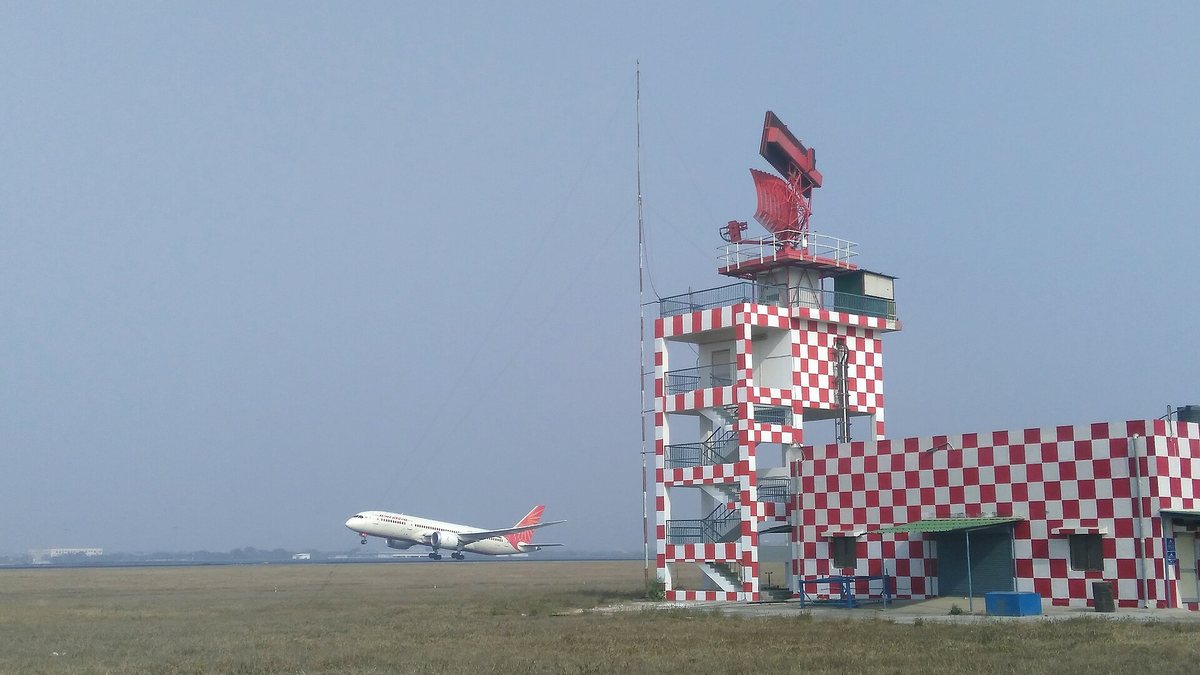
Radar detection serves as a vital backup to RF systems. While RF scanners track drones by identifying common operating frequencies, radar provides a non-RF method. DFW Airport, for example, evaluated combinations of radar, RF, and optical detection.
According to an FAA presentation, radar and RF sensors are considered primary detection tools, while EO and acoustic sensors usually act as validation or secondary sensors. This layered approach is necessary because no single technology can detect all drones.
EO and Acoustic Systems as Confirmation Tools
EO and acoustic sensors support, rather than lead, the detection of drones. While these systems can provide additional data and confirmation, they generally lack the range and precision of radar and RF. Their role is typically to validate information from the primary sensors.
Airport Practice Beyond just Technology
Beyond the technical aspects, airport drone detection practices are also guided by regulatory frameworks. The FAA provides airports with guidance on detecting and mitigating drones, emphasizing the importance of coordination and planning. Before submitting aeronautical studies for a UAS detection system, airport staff are advised to contact their local Airports District Office or Airports Regional Office.
The Cost Conundrum
The costs associated with drone detection at airports can be substantial. Gatwick Airport reportedly spent £800,000 on drone detection equipment. In the same year, the British Army spent £15.8 million on six Drone Dome systems, suggesting a unit price of £2.6 million.
However, these costs do not represent the full expense of a comprehensive detection system at an airport. While documented costs for various components exist, a clear, comprehensive figure for the overall cost of a multi-sensor detection stack at an airport is elusive.
The Purpose of a Multi-Layer Approach
Airports, therefore, rely on a multi-layered approach to drone detection, incorporating radar, RF, EO, and acoustic sensors. RF detection alone does not suffice. Each layer serves a distinct purpose, from initial identification to confirmation and response. Radar and RF are primarily used for detection, while EO and acoustic sensors act as validation tools. This layered approach ensures that drones are detected and identified as comprehensively as possible.
In conclusion, while radar and RF are essential components of drone detection at airports, they are part of a larger, multi-sensor system. This system, although costly, provides the best available defense against drones, highlighting the need for a comprehensive and well-coordinated approach.