Part 137 for Spray Drones: The Certificate Path, the Exemption, and What It Costs to Get Legal
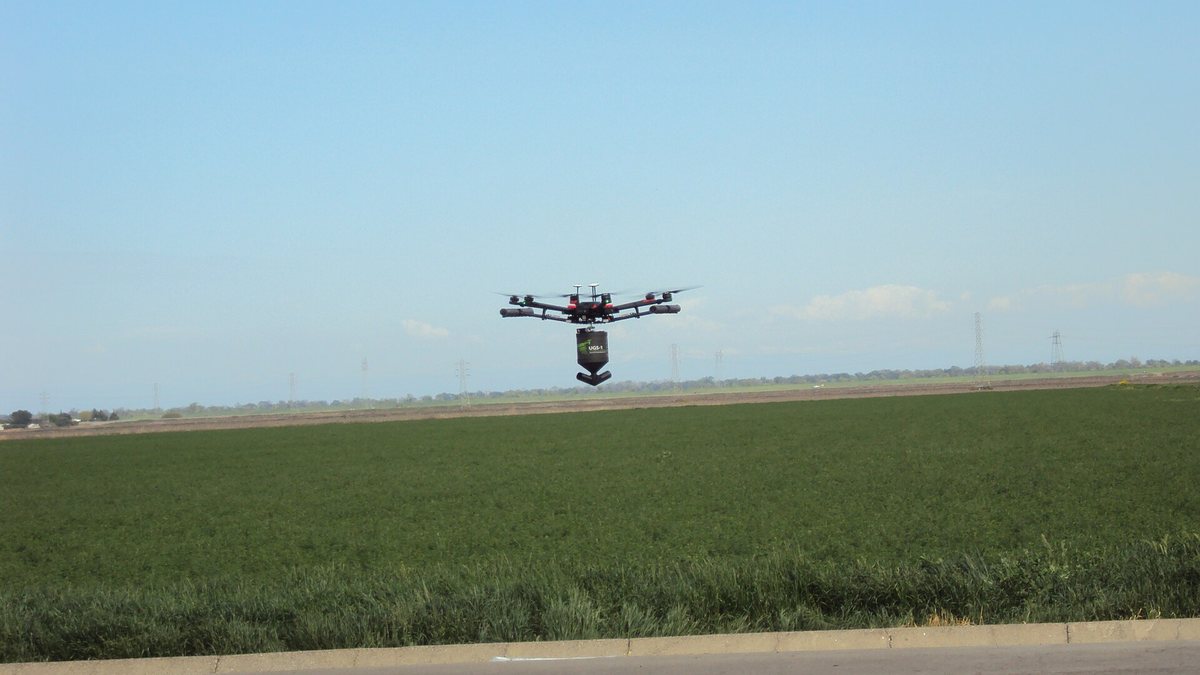
The exact filing sequence, showed in detail, with what cannot be verified about fixed FAA timelines
If you bought a drone to apply chemicals and fertilizers, operate your drone legally requires diving into FAA's agricultural aircraft regulations under Part 137 - specifically, an exemption and Agricultural Aircraft Operator Certificate - before piloting your drone with Part 107 alone will let you.
There are several segments in the process. You must file an FAA exemption package 120 days before the exemption is needed to take effect. Then, to operate an aircraft, applying chemicals and fertilizers, on an agricultural job requires having both a state pesticide license, at the state level, and an FAA Agricultural Aircraft Operator Certificate at the federal level. But that's just an overview.
Get your FAA exemption 120 days in advance
The first major hurdle is an FAA exemption: Part 137 doesn't include rules about applying chemicals, so [ag operations with a UAS need an FAA exemption][1] before [operating as an agricultural aircraft][11] under Part 137. The exemption filing must be submitted 120 days in advance[1] of when you need to be exempted under Part 137.
The exemption covers UAS, including aircraft that weigh over 55 pounds[2,3, and exempts from certain FAA rules for agricultural operations.
File the Agricultural Aircraft Operator Certificate
Once the 120-day notice period for the exemption has ended, you can submit the main certificate paperwork. FAA requires you to gain an [Agricultural Aircraft Operator Certificate][11] for aerial crop dusting - specifically, FAA Form 8710-3[4,5. The form covers basic operational requirements, proof of compliance, and specifies what the aircraft will be used for.
Email this 16-page PDF[5] - fill it in, press "print", and scan the printed form - to [[email protected]][4,5.
You must communicate to FAA, by filing the form, what you intend to do with UAS under Section 44807 - a part of FAA regulations - including the exemption and the certificate under Part 137.
The training and manual needs
Your company must complete and present FAA [operator training program requirements][7,8] including studying the training manual. Finally, you should prepare an operations manual[8.
The FAA cannot do this work for you, and those documents are not given out, or prepared by, FAA. Instead, the prospective operator must ensure that they meet a [knowledge and operational training requirements][7.
It is expensive, but what does approval fail on?
However, the process takes time and may be lengthy, but.
We can improve this answer, but details, at least, can be shown to FAA officials.
What does not need repeating
Spraying with field drones also requires training under 44807 and getting a state pesticide license, where various state rules apply[10. An exemption or Part 137 certificate won't guarantee you any state license, or provide necessary pesticide spraying training. And none of that will prepare you for any state-level licensing you need just for crop dusting.
In summary, what people look for first is the licensing. Although drone approvals are the same, FAA without going the distance on licensing, with state licenses and pesticide training, does you no good.
Finally, bear in mind that none of this generalizes to the entire industry - you or your partners are the operator, and if the, an exemption or the agriculture license fixes nothing. You still need each requirement.