
BVLOS Waivers in 2026: What the FAA Approves, What It Returns, and How Operators Are Flying Today
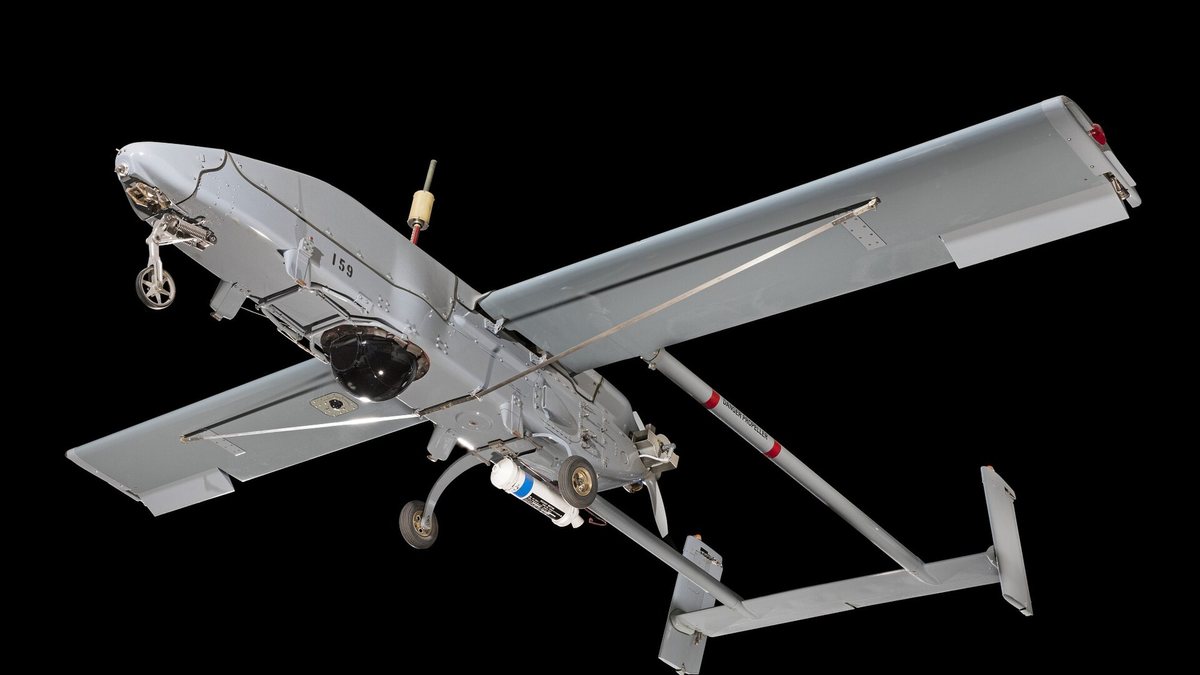
The FAA is still issuing BVLOS waivers case by case, while the standardized rule stretches out in final review. The practical path in 2026 remains waiver relief, not a routine BVLOS operating regime.
The FAA has changed the Part 91.113 waiver process to expedite relief for qualified Public Aircraft Operators and Public Safety Organizations. That expedited waiver process enables secure BVLOS operations, with safety mitigations depending on aircraft safety equipment and detect-and-avoid technology. [1][2]
The FAA list[3] includes waiver numbers, issuance and expiration dates, operator names, and locations. One example is ResilienX’s March 2026 FAA waiver, effective through September 2029.
The waiver relief was from 14 CFR §§ 107.31 and 107.33, preserving an FAA-authorized gap in the visibility requirement. “shielded operations” model appears to be one FAA approval pathway for BVLOS operations within a modest altitude limit, such as 200 feet or above nearby rooftops and obstructions. [10][11]
A separate BVLOS approval tier grants operations up to 400 feet to operators with FAA-acceptable remote detection and avoidance equipment. FAA has cleared over 1000 agencies for first-responder BVLOS waivers, with approvals running for 48 months and standard Remote ID required except in the FAA’s written authorization.
The FAA’s regulatory dashboard[6] lists the BVLOS final rule as received but. Where the Federal Register comments focus on resolving ADS-B, electronic conspicuity, and right-of-way concerns, the industry might be in for more than just a procedural delay. NBAA puts a different interpretation on the reopened comment period[7]:. The National Business Aviation Association reports the February 11 reopened-comment close and fallen Countdown to FAA rule publication is one of multiple recent examples where the spotlight has moved to a reg-burden-proportionate commentary process, potentially wonky questions about the effect of omitting a specific rule from an already-reopened comment period, and a potential need to introduce new material in a new supplemental notice.[8]
Meanwhile, operators looking to fly BVLOS today have a BVLOS waiver/relaxation path open to them through the Part 91.113 public-aircraft-exemption process.[1] They could also seek relaxed BVLOS operations as a public safety drone operator, whether or not they operate under Part 107, 108, or as a government agency, and whether through a Certificate of Wavier or an airspace authorization.
The FAA’s waiver-list page includes entries for ResilienX BVLOS and multiple public-safety waivers, to be combined with 107.31 and 107.33 waivers.
Regardless of whether operators file now or wait for the rule, the January 28 Federal Register notice[9] indicates a period of contentiousness and close scrutiny by the FAA. Two main open questions are: whether a new remote ID framework might resist, or might support, the incremental BVLOS Flexibility the FAA has been authorizing; and how the FAA’s rule might affect that BVLOS flying that its waivers already authorize.