Who May Legally Take Down a Drone in the United States, and What Everyone Else Can Do Instead
Who may legally disable an encroaching drone? As drone security incidents both hostile and prankish increase, answers come down to federal hands, while non-federal actors average monitoring and hands-off. Neither estimates of property rights nor short-term considerations of protective expense change the governing federal law.
Flying drones gives rise to both novel legal damages and preemptive maybes., the U.S. Federal Aviation Administration has publicly stated that drones are regulated under federal aviation statutes and rules including aircraft in U.S. special aircraft jurisdiction, which Section 32 of Title 18 prohibits destroying, as stated by the U.S. Department of Justice. A private actor doing so risks aviation sabotage offense which carries years imprisonment.
With federal law gripping "any aircraft in the special aircraft jurisdiction of the United States" in Section 32, jurisdiction then kicks to either:
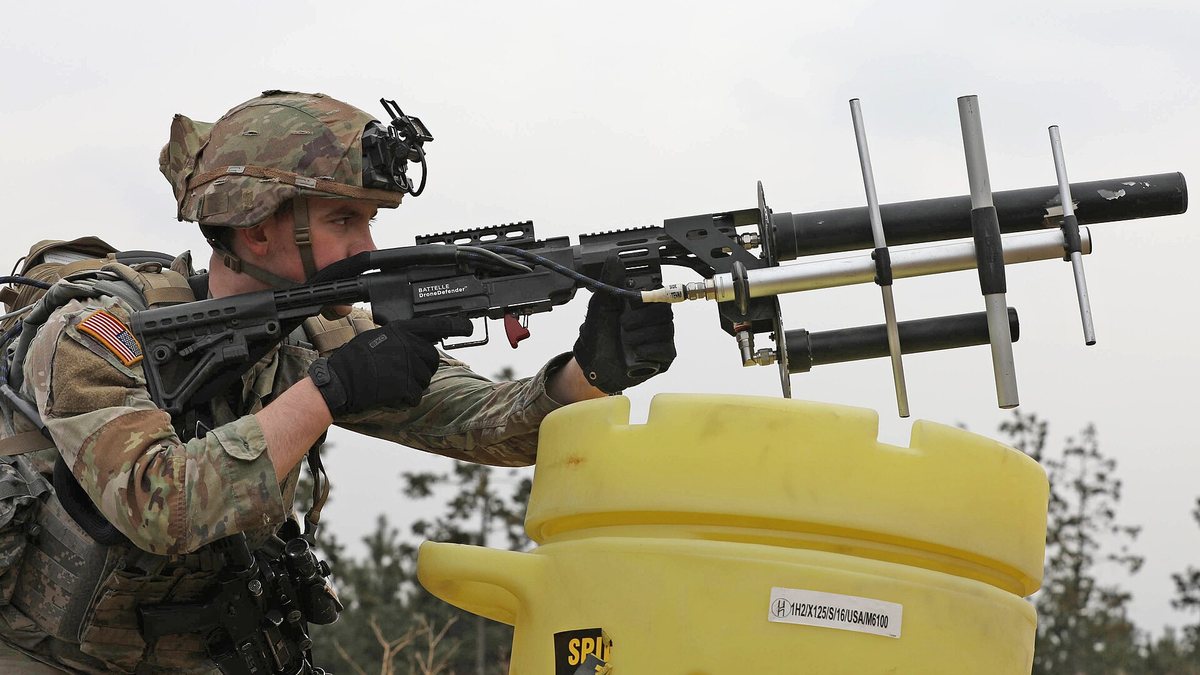
- Department of Defense Secretary authorization, via 10 U.S.C. Section 130i, to "detect, identify, monitor, track, disrupt the control of, seize, or use reasonable force.. to disable, damage, or destroy a covered unmanned aircraft or unmanned aircraft system," for drones on foreign or U.S. military installations which pose imminent threat of grave harm, violates a U.S. flight restriction, or appears to be surveilling Defense or DOJ facilities;
- Federal public safety agencies — under direction from the FBI, U.S. Marshals, and Customs and Border Protection — same, for public safety infrastructures on nonmilitary installations;
- U.S. Dept. of Justice and Dept. of Homeland Security authority to approve "takedown," inter alia, at critical infrastructure and public venues under attack or unauthorized surveillance.
Counter UAS devices that involve radio interference are regulated by the Federal Communications Commission, which generally prohibits even protective jamming:
- The FCC identifies jamming as transmitting RF signals to block the drone control signal, cellular/Wi-Fi/Bluetooth connectivity, or GPS reception; and the FCC expresses the restricted right to legal jamming to be: Most jamming devices are manufactured for non-compliance with FCC service rules, which makes redistribution and sharing punishable for unauthorized transmitters, not a safe haven.
The Department of Homeland Security, Defense, Justice, and closed sites like airports under FAA control are authorized to interfere with drone operations on-site, but local law enforcement responses are not empowered under nonfederal law, still experimental. the lawful options in the non-peace officer toolbox are:
- Drone detection;
- Video and audio evidence;
- Visual and audio tracking and photography;
- Liaison to the proper federal agency;
- U.S. CBP or Attorney General points of contact for drone reporting to federal law enforcement;
The statute of section 32 U.S. Code 18, criminal sabotage, uniformly extends to authorized teams overseeing homeland security, to similar boundaries to other federal aviation laws, which prohibits the damaging or disabling of federally registered aircraft or aircraft systems, as applicable to offenses by authorized authority under Chapter 7 of the Code.
Private and local parties are empowered to contact the federal authorities for interference and report UAS movements.