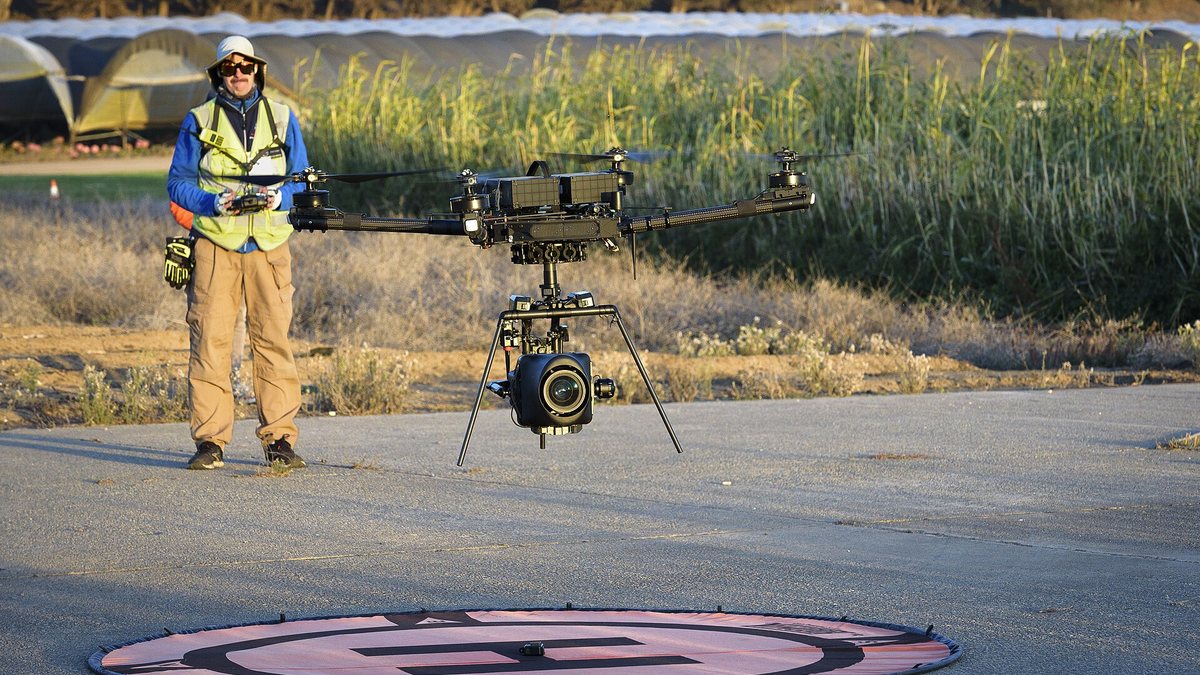
What Autonomous Means on a Drone Spec Sheet, and What It Does Not
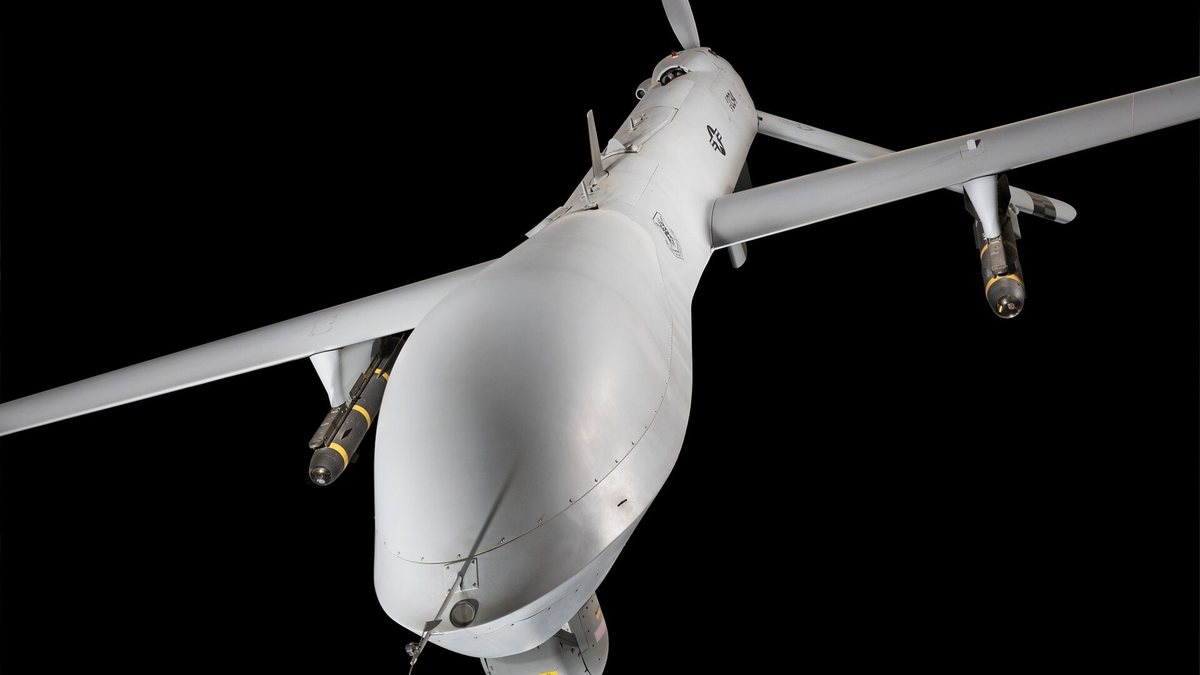
When a drone spec sheet claims "autonomous" flight, it means less than buyers might guess. The word packs several different capabilities into one marketing claim, from the basic ability to fly between waypoints, to the sophisticated ability to make mission-level decisions under unexpected pressure. For buyers who compare two drones both labeled autonomous, it's crucial to understand that the term is just a starting point, not a full description. What the aircraft really does – how it executes its mission, avoids obstacles, and deliberates between scenarios– is laid out only when the spec maps the specific claims.
What “autonomous” can legally and technically mean
The European Union Aviation Safety Agency (EASA) defines an autonomous drone as operating "a safe flight without the intervention of a pilot." That big claim is enabled by artificial intelligence, so the aircraft can "cope with unforeseen and unpredictable emergency situations" – like swerving self-handover to land safely, or identifying and derouting around a cloud. Where EASA spells out autonomy by the outcome, the International Organization for Standardization (ISO) breaks down the stack of capabilities into the boxed and bolted subsystems at the core. The ISO 15964 standard for uncrewed aircraft systems defines three key facets of the autonomous claim: environmental perception, evaluating situational awareness, and decision-making for target avoidance. EASA and ISO help buyers unpack aircraft labeled autonomous by focusing on perception, awareness, and avoidance.
Waypoint execution is not the same thing as autonomy
A claimed autonomous route may mean only that the aircraft can fly to and from a set of waypoints, safely avoiding obstacles in its path. That is a level of autonomy for sure, but not the same as the aircraft evaluating inflight scenarios and making decisions based on the instruments it carries. One marketed example is the Emesent Hovermap ST-X carrying waypoint mode, just renamed as autonomous navigation to waypoints. Here much rests on seller caveat: the spec says guided exploration offers "navigational decision making." At least they own the hedge.
This one waypoint-to-waypoint execution is not the same as the full drone autonomy claim, seller talk on a spec promoting non-GPS flight, assisted modes, and regulated speeds as Pilot Assist, or claiming autonomous routing. Again, that barcode on autonomous on a spec does not commit the vendor to the aircraft doing what you expect. Buying on specs means checking the specific autonomy under warranty.
Collision avoidance is a separate claim
For the actual “avoid obstacles” part, helpful vendors will put a claim and the facts behind it, with specs showing direction coverage, avoidance speed, obstacle size, and range. The Hovermap ST-X, for instance, offers “omnidirectional” rather than front-facing, 1.2-40m versus 5m. Putting hard facts to help the buyer compare remains a generosity: the unmapped spec defers liking or disliking. What to expect on quality terms when “omnidirectional” is overhyped as 360° × 360° when viewed from within. Before paying for “avoidance,” ask upfront for the exact numbers and the liability.
Onboard perception and situational awareness
Avoidance and guidance require not just sensors but, like a human pilot, analytical perception to separate birds from birds. That kit rests on a stack underneath the on-brand bubblewrap, with ISO 15964 breaking out two claims in “perception” and “situational awareness.” For buyers, on board situational awareness means checking the drones for optical, IR, laser detection, and forecasting analytics before trusting the autonomous check-avoid route.
Mission-level decision-making is the highest “autonomous” bar
Beyond avoiding obstacles at a minimum, high autonomy searches expect machines to decide among mission objectives and methods. The EASA AI text and the ISO target avoidance language offer buyer guardrails. For mission decisions, know the spec: autonomous GPS waypoints and manoeuvres remain not an open-ended competition. Buyers checking off “avoidance” as “autonomous” at a minimum, drill down for a clear claim on mission autonomy.
What to ask the vendor before paying for the term
Reading spec sheets for autonomy in mind, buyers have a straight question list turned against the spec-stack claim that every vendor is able to claim autonomy:
This list considers the airborne autonomous drone in its stack, from sensor instrumentation, to obstacle avoidance and flight guidance, AI decision making, to safety preservation.
Given that autonomous drone stamp does not transport buyer clarity, ask upfront before ever paying for the labelled autonomy.