Shipping, Storing and Disposing of Drone Batteries Legally
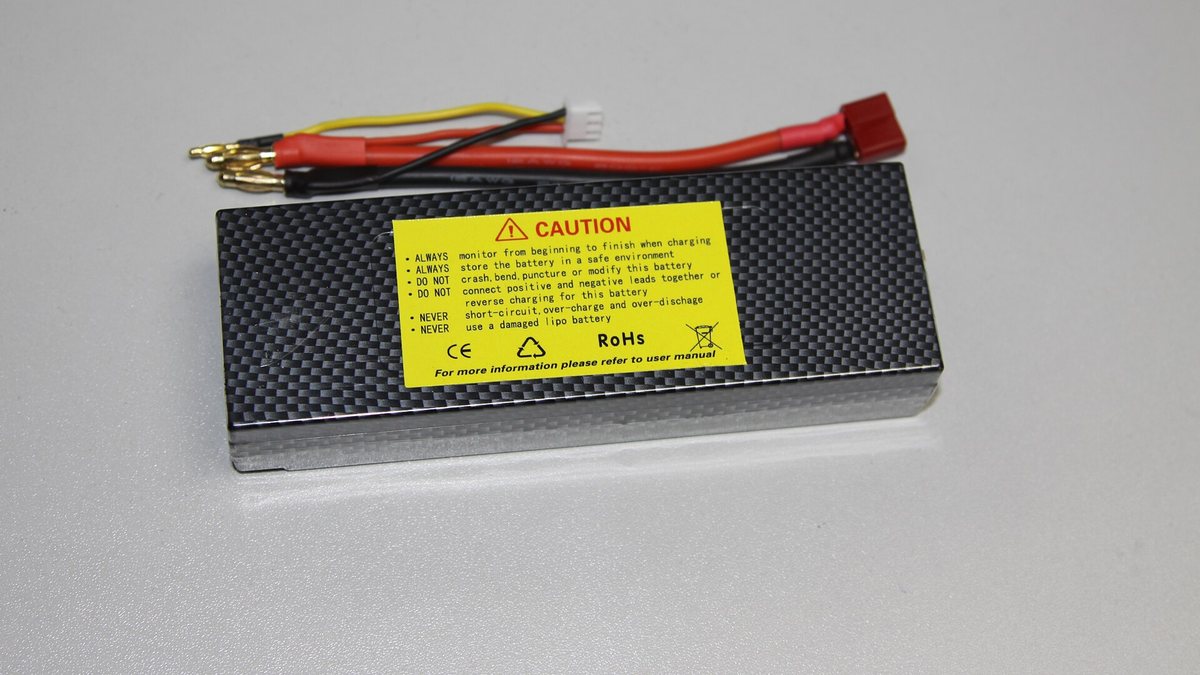
Drones and their lithium polymer (LiPo) cells are hazardous in shipment. Yet there's no excuse for willful noncompliance when the rules are clear. Here's what you need to know to file a regulatory-compliant shipment for the most common dispatch modes.
For Air Cargo
To ship drone LiPo batteries on a cargo flight, the State of Origin and the State of the Operator must approve the shipment if the batteries have a state of charge above 30% of their rated capacity. Cells and batteries below that 30% threshold may be shipped on cargo aircraft without such approvals, but even they require shipping segregated from other cargo.
Batteries shipped inside airline cargo are subject to three categories of regulation:
- Lithium-ion Batteries - Lithium ion batteries shipped by themselves are regulated as a class 9 Dangerous Goods under UN 3480, tracked separately from the drone and other equipment.[1]
- Lithium-ion Batteries Contained in Equipment - Lithium ion batteries packed with equipment or contained in a piece of equipment,, are regulated as a class 9 Dangerous Goods under UN 3481.[4]
- Spare Batteries in a Equipment - Unsorted batteries moved separately must comply with all rules applicable to batteries contained in equipment
Each of the three UN categories has specific packaging requirements, and batteries must be protected against short circuits. Spare batteries must be prevented from coming into contact with each other and with other items. Insulating terminal protects the batteries from short-circuits, while separating batteries by insulating material minimizes the chance of contact and shorting.[7]
Shippers can simplify the process by shipping batteries installed inside a drone rather than as loose, unprotected cells. Batteries lodged in their original position can be treated under UN 3481, which applies when batteries are contained within, or packed with, equipment. The exception relaxes some of the transport requirements, but only if conditions are met, including not exceeding the transport limits for spare batteries — for instance,.[8]
IATA, Courier Road Rules
IATA applies similar substantial SoC, leakage and segregation rules as FAA., and restrict shipping except when packed inside drone.[12] Air Carrier Liability for Dangerous Goods, Container/Large Package Liability Each carrier conditionally waives's its CARGO Liability to exclude or limit liability for certain types of cargo, including dangerous goods, containers, and large packages. Shipper will first need to review the carrier's international air waybill to determine if the batteries qualify under International Air Transport Association (IATA) packing instructions, packing instructions (PI), UN 3480 for standalone lithium ion batteries.[13]
Hit the Wall on Shipping Damaged Batteries
Batteries subjected to crash, rough handling, submergence or accident should be considered dangerous to ship via air, road, or ship. UAV operators habitually return items to base, so simply sending a drone drone with befouled, deficit, bulging or pitted battery could invites a cargo hold exclusion.[11] The safest course is to disable and remove a bladdering battery, and return it only when it meets acceptance standards.
Keep Them Cold and Not Dispersed
Storing loose batteries presents its own hazards. Contact between cells, heat buildup from contact, and extension discharges comprise the most common danger, so batteries should be treated as hazardous goods, separate.[17] Disabled batteries should be respectfully treated as a dangerous good. It’s unclear exactly when and where federal regulators expect to certify such an arrangement, but local fire marshals report many violate the fire code standing by drone pits. The safest course is to cover and store batteries as required by the process to prevent damage.[17] They likely require their own handler to drop them promptly at the nearest certified recycling center.
Shipping as Dangerous Goods Other Than Air
The U.S. Department of Transportation implements the rules for domestic highway, rail, and sea shipments, while international maritime and rail shipments observe the International Maritime Dangerous Goods Code (IMDG) and European Accord on the carriage of dangerous goods (ADR). These rules typically equate to the IATA restrictions on air cargo shipment, including 30% SoC for standalone batteries, and "spin of danger" warnings and marking.[16, UN regulations aim to address labeling, segregation and shipping by with the UN class 9 Dangerous Goods code wording for Lithium ion batteries
these codes already describe the battery types, possibly damaged in flight, but single-origin batteries similarly exceed FDA scope.
Conclusion
Shipping regulations make LiPo batteries seriously hazardous to air cargo. Drone operations directors need to inform their freight forwarders to anticipate drone battery marks, monitor the entire inventory as it exceeds offloading capacity at the cargo gate. Then, install shipment barriers, as the packed battery is distinguished by battery/shipment markers.